



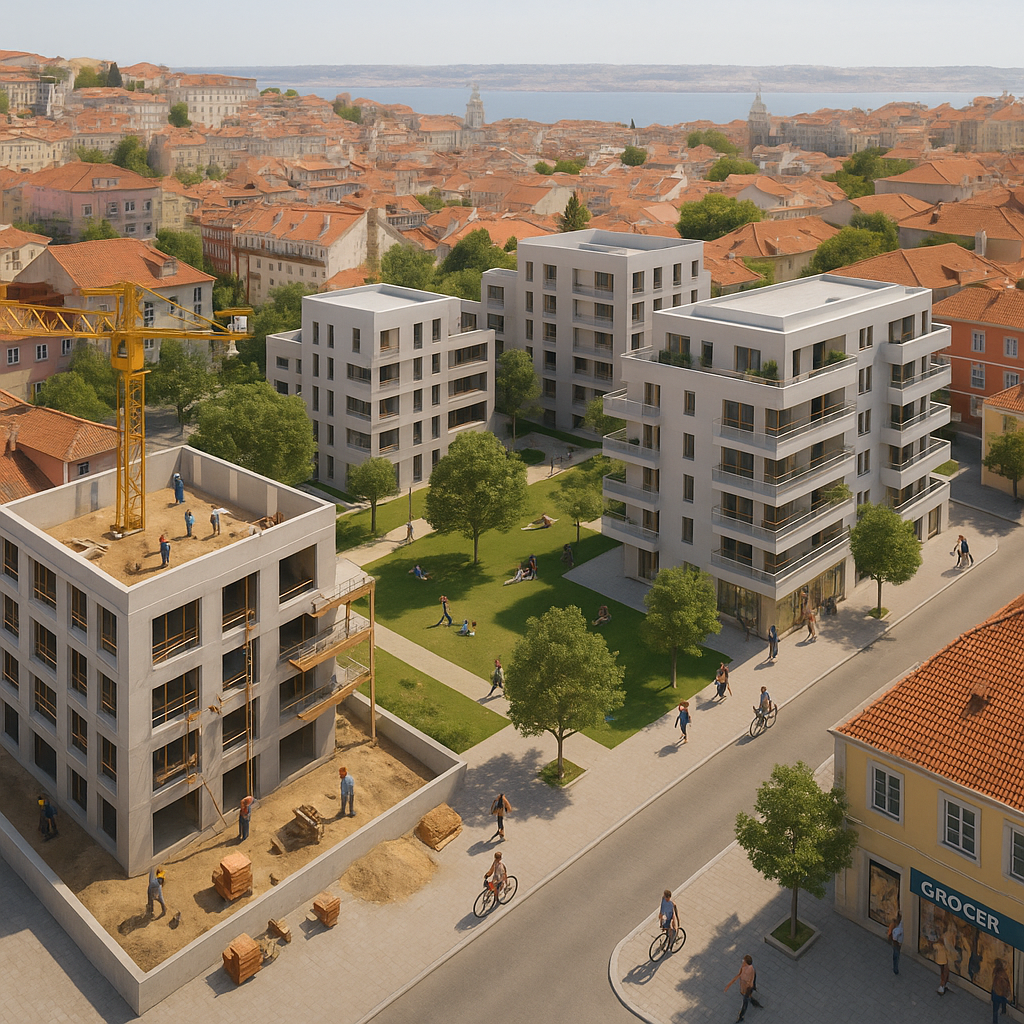
The real estate sector is a dynamic universe that goes far beyond construction: it encompasses licensing, design, financing, operations, and, often, the sale of the asset. It’s a complex, high-risk field, but one that has a direct impact on the daily lives of communities.
This article aims to simplify the real estate development process, helping readers better understand its key stages and how developers work to ensure that projects meet local needs while generating real value for both clients and communities.
The Role of the Real Estate Developer
At its core, developing a project is about bringing a space to life. To make that happen, developers must have an in-depth understanding of planning and zoning regulations, secure capital, and collaborate closely with communities and public entities to align the project with the realities of each area.
From conception to delivery, developers coordinate a complex ecosystem of professionals — architects, designers, contractors, managers, and investors — ensuring that the vision becomes a space that is functional, profitable, and sustainable.
A developer’s main responsibilities include:
- Designing, financing, leasing, operating, or selling buildings;
- Listening to the needs of the local community;
- Navigating complex zoning and urban planning regulations;
- Managing technical and construction teams;
- Securing funding and partnerships;
- Supporting investments in services and infrastructure that benefit the neighborhood.
More than a technical exercise, development is about managing risk: from market shifts and construction costs to the growing impact of climate change, every project demands planning, adaptability, and strategic vision.
The Different Types of Projects
Real estate development spans a wide range of segments:
- Multifamily Residential: apartments, affordable housing, student housing.
- Industrial: warehouses, logistics centers, data centers.
- Single-Family Housing: planned communities, resorts, senior housing.
- Retail: shopping centers, restaurants, supermarkets.
- Mixed-Use: developments combining housing, retail, offices, and services.
- Hospitality: urban hotels, resorts, tourist accommodations.
- Office: corporate towers, suburban hubs.
- Healthcare: clinics, labs, pharmacies.
What Drives Developers
Motivations differ by profile:
- Private developers: seek to maximize returns, minimize risk, and often build their reputation by delivering quality projects.
- Nonprofits: focus on addressing social needs, such as providing affordable housing, revitalizing neighborhoods, and fostering economic inclusion.
The Key Drivers
Almost every project is driven by one of three forces:
- A use looking for a site – when there’s demand for space or units in a specific market.
- A site looking for a use – land or buildings ready to be repurposed.
- Capital looking for opportunities – investors or funds waiting for the right project to invest in.
Key Stages of a Project
Although each project is unique, most follow a similar path:
- Concept and initial planning – market analysis, project vision, and early engagement with the community.
- Feasibility study – assessing sites, regulations, costs, projected revenues, and overall financial viability.
- Planning and financing – negotiating with partners, obtaining permits, and contracting builders.
- Construction – managing timelines, costs, and ongoing communication with stakeholders.
- Operation or sale – leasing and managing the asset or selling it to investors.
Management and Teams
Effective asset and property management is key to a project’s success. Maintenance, tenant relations, and service quality have a direct impact on property value and occupant satisfaction.
Behind every successful development, there’s a network of contributors, including:
- Technical professionals, such as architects and engineers;
- Investors and lenders, who provide funding and shape key decisions;
- Local communities, who understand neighborhood needs;
- Future occupants, whose preferences drive demand and trends;
- Public authorities, who regulate and, in some cases, incentivize development.
The Role of Context
The environment in which a project develops can make or break its success:- Economic context: land costs, financing, market conditions, labor, and materials.
- Social context: community-supported projects are more likely to succeed and deliver positive impact.
- Political context: clear regulations can foster quality and safety but may also affect timelines and costs.
In Summary
Real estate development is a complex process with tremendous potential to generate both economic and social value. Collaboration, transparency, and strategic vision are what transform projects into catalysts for sustainable growth and stronger communities.
Comments